Zoo in Nairobi, Kenya: Nairobi National Park, Giraffe Centre & Wildlife Tours
Seven kilometres from Nairobi's skyline, lions prowl open plains, baby elephants tumble in red soil, and Rothschild giraffes eat from your palm. Every zoo in Nairobi Kenya — from Nairobi National Park to the Giraffe Centre — book with free cancellation.
Nairobi has no traditional city zoo. What travelers call the zoo in Nairobi, Kenya is really three wildlife stops: Nairobi National Park for a real game drive, the Giraffe Centre, and the Sheldrick elephant orphanage. All three fit in one day, and guided tours cover them from $37 per person.
The Sheldrick elephant orphanage admits visitors 11am–noon only, so the day is built around it
Staying overnight? Guests' top-rated bases start at $82 → see hotels
Licensed KWS-approved guides on every tour
Free cancellation 24 hours before
Hotel pickup included on all tours
1,100+ verified Viator reviews
117 km²Nairobi National Park area
$37–$95Price range per person
400+Bird species in the park
7kmPark gate from city centre
818 Reviews — Most Booked Safari
Most Popular Wildlife Tour in Nairobi, Kenya
Safari Tour; Nairobi National Park
★★★★★★★★★★4.7(818 reviews)
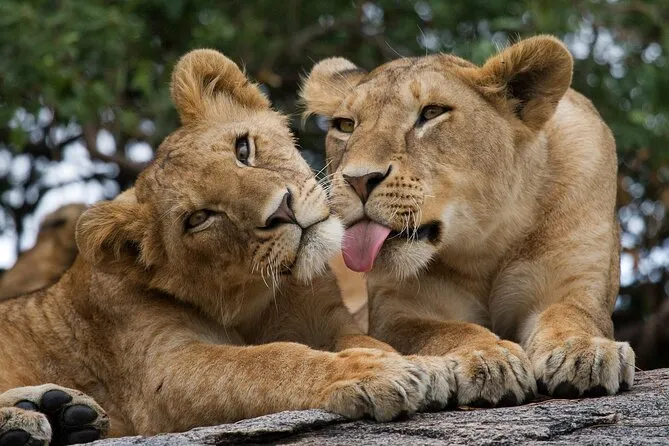
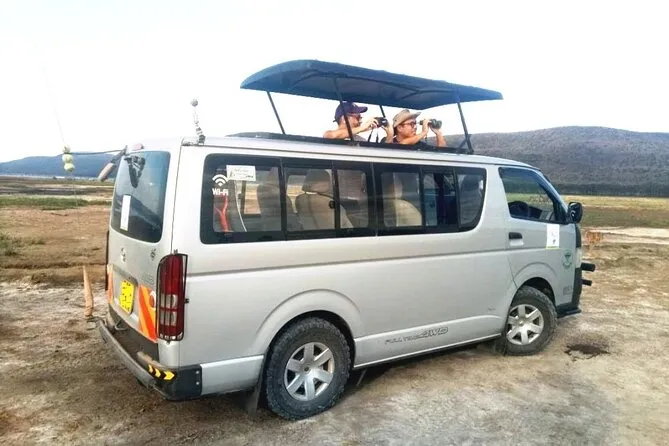
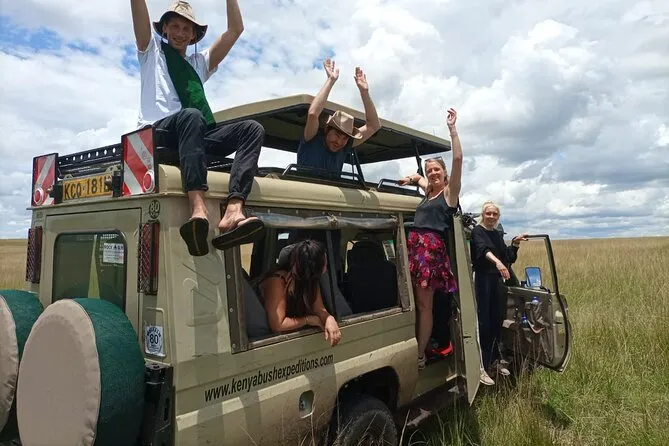
Spot free-roaming wildlife at the edge of Nairobi on a game drive in an open-rooftop safari vehicle. See lions, leopards, black rhinos, giraffes, zebras, hippos, and 400+ bird species against the dramatic backdrop of Nairobi's city skyline.
Spot free-roaming wildlife at the edge of Nairobi on a game drive in an open-rooftop safari vehicle. See lions, leopards, black rhinos, giraffes, zebras, hippos, and 400+ bird…
Half Day Tour: Giraffe Centre & Elephant Orphanage
★★★★★★★★★★4.9(174 reviews)· 6 hours
Visit the endangered Rothschild giraffes at the Giraffe Centre — feeding them from a raised platform — then witness baby elephants being cared for at the David Sheldrick…
Giraffe Centre, Elephant Orphanage & Cultural Full Day
★★★★★★★★★★4.8(108 reviews)· 8 hours
A full-day tour covering Nairobi's top wildlife and cultural highlights: feed endangered Rothschild giraffes, watch baby elephants at the Sheldrick Wildlife Trust, tour the Kobe Beads factory, and…
Elephant Orphanage, Giraffe Centre & Nairobi National Park
★★★★★★★★★★5.0(73 reviews)· 8 hours
The complete Nairobi wildlife day — start with a game drive through Nairobi National Park spotting lions and rhinos, then feed Rothschild giraffes and watch baby elephants during…
Nairobi National Park & Giraffe Centre (Fees Included)
★★★★★★★★★★5.0(57 reviews)· 6 hours
A morning game drive through Nairobi National Park followed by a visit to the Giraffe Centre, with entrance fees included, free Wi-Fi on the vehicle, and hotel pickup…
Nairobi National Park, Elephant Orphanage & Giraffe Centre
★★★★★★★★★★4.8(185 reviews)· 8–9 hours
Ideal for time-pressed travellers, this full-day tour covers multiple wildlife spots without ever leaving the capital. Spot lions, rhinos and giraffes on a game drive in Nairobi National…
Nairobi NP, Elephant Orphanage & Giraffe Centre — Private Tour
★★★★★★★★★★5.0(58 reviews)· 7 hours
A private full-day tour covering Nairobi National Park (lions, rhinos, leopards in an open-top 4x4), the David Sheldrick Elephant Orphanage, and the Giraffe Centre — perfect for families…
A compact morning safari through the world's only national park in a capital city, followed by a visit to the Giraffe Centre. All park entrance fees included, private…
1946Year Nairobi National Park was established — Kenya's first national park
400+Bird species recorded inside Nairobi National Park boundaries
117 km²Park area — open on its southern side to the vast Athi-Kapiti plains
1979Year the Giraffe Centre opened to protect endangered Rothschild giraffes
11am–noonThe daily public visiting window at the Sheldrick Elephant Orphanage
7kmDistance from Nairobi CBD to Nairobi National Park's main gate
Nairobi Zoos & National Parks — Guide to Wildlife, Fauna and Flora
Nairobi National Park — Safari in the Heart of the City
Nairobi National Park is the world's only national park inside a capital city, and the best introduction to Kenyan wildlife for any visitor. Established in 1946 as Kenya's first national park, the reserve covers 117 square kilometers and sits just 7 kilometres south of the city centre — making it the only place on earth where you can watch a modern city skyline rise behind a herd of giraffes as they graze on open plains. Bordered by urban Nairobi on three sides and open to the vast Athi-Kapiti plains on the south, the park allows wildlife to migrate freely between the reserve and the wider ecosystem.
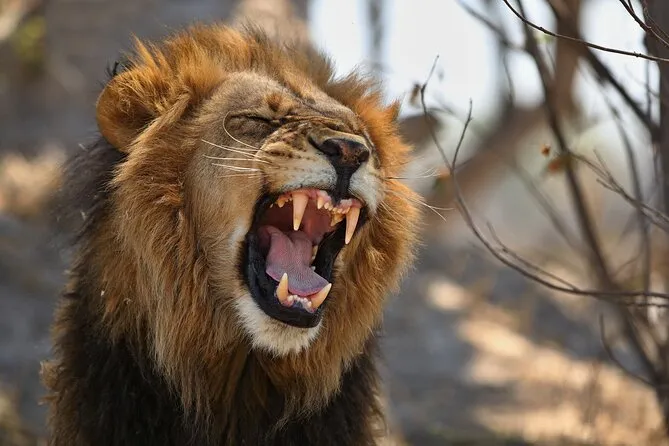
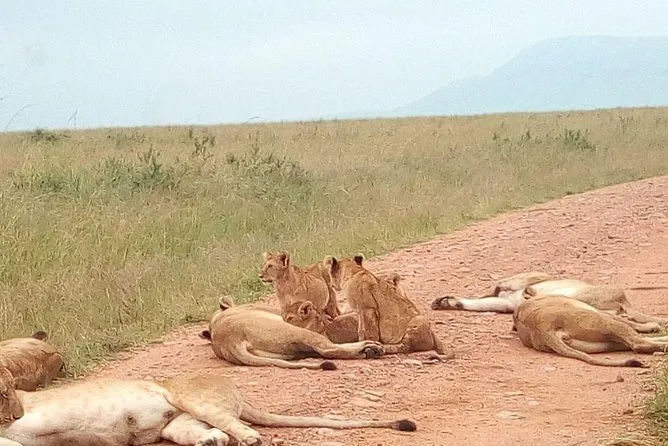
The park is home to lions, leopards, cheetahs, black and white rhinoceros (one of Africa's most significant rhino populations in a single park), buffalos, giraffes, zebras, wildebeest, hippos and over 400 bird species — including secretary birds, ostriches, and numerous raptors. The Mbagathi River runs along the southern boundary, and the Mbagathi dam's hippo pools are a highlight. Game drives run from the main Langata Road gate in open-rooftop safari vehicles, with early morning being the best time to spot predators prowling the open plains.
The contrast of african wildlife against the Nairobi skyline is one of East Africa's most iconic sights. Entry requires a KWS e-citizen booking: purchase your ticket online before visiting, as processing can take up to 24 hours. Foreign adult entry is approximately $50–80 depending on season.
The Giraffe Centre — Feed Africa's Most Endangered Giraffe
The African Fund for Endangered Wildlife Giraffe Centre opened in 1979 to protect the Rothschild giraffe — one of the world's most endangered subspecies, with fewer than 800 individuals surviving in the wild. Today the centre maintains a breeding herd and has successfully reintroduced over 50 Rothschild giraffes to their natural habitat across Kenyan wildlife sanctuaries.
Visitors feed the giraffes from a raised observation platform that brings you literally eye-to-eye with these gentle giants — one of the most intimate wildlife encounters in Nairobi. The Giraffe Centre also runs a nature walk through its forested sanctuary (home to warthogs and resident Kenyan fauna and flora), and conservation talks explain the species' precarious status and the centre's ongoing breeding programme as part of kenya's conservation efforts. A small forest boardwalk winds through acacia woodland where the giraffes roam freely between feeding sessions.
Giraffe Centre entry is approximately $15 for foreign visitors. Most guided tours include the entrance fee, and many combine the centre with the Sheldrick Elephant Orphanage for a complete half-day wildlife experience.
David Sheldrick Wildlife Trust — Nairobi's Elephant Orphanage
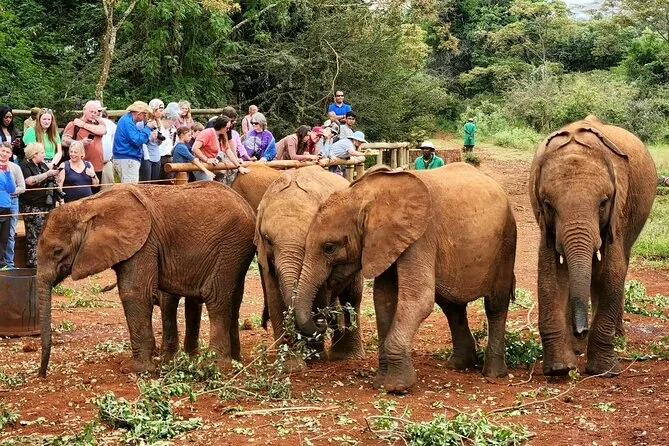
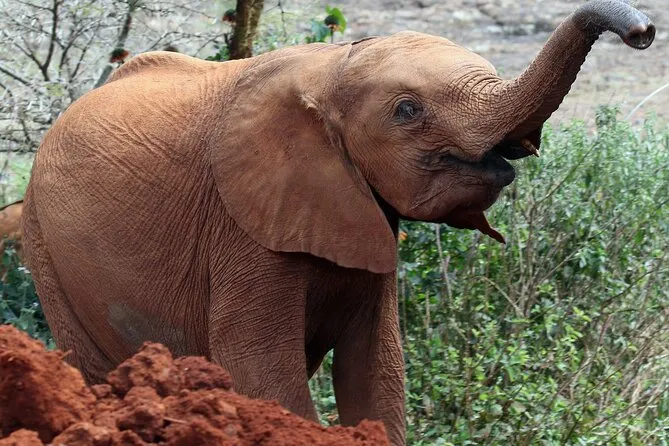
The David Sheldrick Wildlife Trust is one of the world's most important animal orphanage and conservation projects and a must-see Nairobi attraction. Founded by Daphne Sheldrick in the 1970s, the sheldrick trust rehabilitates orphaned baby elephants — and occasionally rhinos — whose mothers have been lost to poaching, drought, or injury, before reintegrating them into wild herds across Kenya's national parks. These conservation efforts have made the trust one of the most effective endangered species rehabilitation programmes in East Africa.
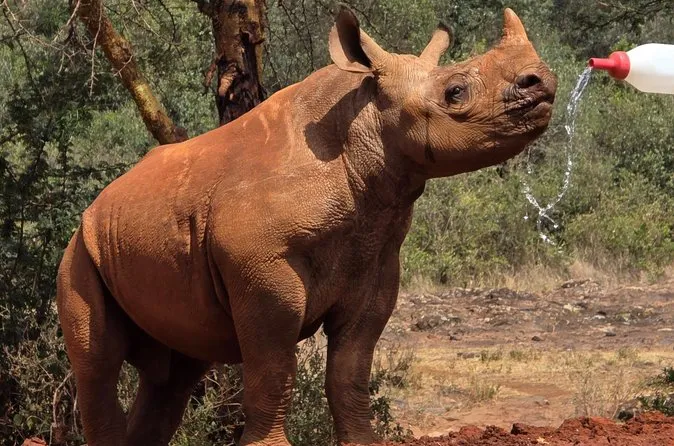
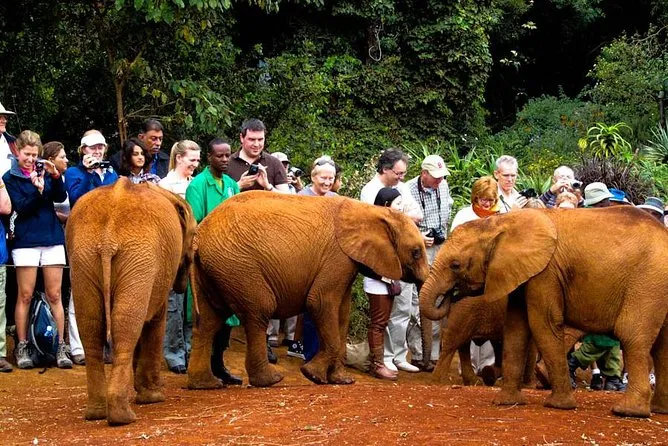
The orphanage opens to the public for just one hour each day, from 11am to noon, when the baby elephants come in for their mid-morning milk formula. During this window, visitors watch keepers interact with each elephant herd, learn the individual rescue story of every calf, and sometimes touch the elephants as they wander close to the rope cordon. A baby black rhinoceros has also been in residence and is a highlight for many visitors.
Important: the elephant orphanage sits inside the Nairobi National Park conservation area. Foreign visitors must pay a KWS conservation fee (approximately $47–80 per person) to access the site — separate from the orphanage entrance fee. Pre-booking at least a week in advance is strongly recommended, as the 11am slot fills quickly, especially at weekends.
Nairobi Safari Walk — Close Encounters with Kenyan Wildlife
The Nairobi Safari Walk is a separate Kenya Wildlife Service attraction located adjacent to the main national park gate. Unlike the open park, the Safari Walk is a boardwalk enclosure that takes visitors through several Kenyan ecosystems — riverine forest, open savannah, and wetland — on foot. The walk allows close encounters with leopards, cheetahs, lions, white rhinos, hippos, meerkats, and over 60 endemic bird species in a compact, accessible format.
The Nairobi Safari Walk is ideal for families with young children, visitors with mobility considerations, and anyone wanting to complement a national park game drive with a closer look at kenya wildlife service conservation work. Entry to the Safari Walk is priced separately from the main park and is rarely included in standard tour packages — confirm before booking if you want to combine it with your game drive.
Entry Fees, Best Season, and Practical Tips
Nairobi National Park entry fees for foreign adults: approximately $50–80 per person (check the KWS website for current rates, which are subject to seasonal changes). The David Sheldrick Elephant Orphanage conservation area fee is around $47 per person, payable via the e-citizen platform. The Giraffe Centre charges approximately $15 per foreign adult. Most organised tours include Giraffe Centre entry; the elephant orphanage conservation fee is frequently listed as extra — read the inclusions carefully before booking.
Best time to visit: June to October (dry season) and January to February offer the best wildlife viewing in the park. As vegetation thins, animals concentrate around water sources, predators are easier to spot, and tracks are accessible. The wet seasons (March–May and November–December) bring lush green landscapes but make wildlife harder to spot. Predators, giraffes, and zebras can be seen year-round.
Practical tips for visitors: arrive at the park gate at opening time (6am) for the best predator sightings; purchase your NNP e-citizen ticket at least 24 hours before visiting; pre-book the elephant orphanage entry at least a week ahead; carry a zoom lens camera and binoculars; dress in layers as morning game drives start cool; bring cash in Kenyan shillings or USD for in-park purchases; and note that no personal vehicles are allowed into the orphanage conservation area without the correct pass. Getting there from the Nairobi city center is easy — the Langata Road gate is a 30-minute drive from Nairobi's modern city centre, and all guided tour operators provide hotel pickup from central Nairobi, Westlands, and Karen. Maasai Market (in the city) is a popular add-on that many half-day safari operators include as a shopping stop on the return.
Nairobi Wildlife vs. the Masai Mara — Which to Choose?
Nairobi's wildlife parks and the Masai Mara offer very different safari experiences. The Mara is Kenya's most famous game reserve, famous for the Great Migration (July–October), vast open savannah, and exceptional big cat sightings. A Masai Mara safari typically requires 3–4 days, a domestic flight or a 5-hour drive, and costs significantly more.
Nairobi National Park, by contrast, is 30 minutes from your hotel and can be completed in a morning — at a fraction of the cost. For visitors with limited time or first-time safari travellers, Nairobi's parks offer remarkable value: lions, black rhinoceros, giraffes, zebras, and hippos all accessible on a half-day game drive. The Giraffe Centre and Sheldrick Elephant Orphanage add two more unique conservation experiences to the same day, making Nairobi one of Africa's most wildlife-dense city stops.
Experienced safari-goers who have already visited the Mara or Amboseli frequently discover that Nairobi's city-edge parks are the unexpected highlight of their trip — and the most photographically dramatic wildlife encounter they have ever done.
Best Time to Visit Nairobi's Wildlife Parks — Month by Month
Nairobi National Park is open year-round. Peak game viewing runs June–October and January–February, when dry conditions push wildlife to open plains and water sources.
85°JanJan
88°FebFeb
68°MarMar
62°AprApr
65°MayMay
88°JunJun
95°JulJul
95°AugAug
92°SepSep
90°OctOct
72°NovNov
80°DecDec
Peak dry season — best wildlife visibility
Short rains — tours run, good Giraffe Centre
Long rains — lush but harder to spot wildlife
Map of Nairobi's Wildlife Parks & Attractions
Nairobi National Park, Giraffe Centre, and David Sheldrick Wildlife Trust — all within 10 km of Nairobi's city centre on Langata Road.
Wildlife Fauna at Nairobi Zoos, National Parks & Conservation Centres
Nairobi's wildlife parks offer an extraordinary range of African fauna within minutes of the city. Here's what to look for — and where.
🦁LionNairobi National Park — best spotted at sunrise on the open Athi plains
🦏Black RhinocerosNairobi National Park — one of Kenya's most significant endangered rhino populations
🦒Rothschild GiraffeGiraffe Centre — feed from your hand at the raised observation platform
🐘Baby ElephantSheldrick Wildlife Trust — daily public window: 11am–noon only
🦓ZebraNairobi National Park — large herds graze open Athi plains year-round
🐆LeopardNairobi National Park — riverine forest around Mbagathi River at dawn
🦛HippopotamusNairobi National Park — permanent hippo pod in the Mbagathi River pools
🐃Wildebeest & BuffaloNairobi National Park — seasonal migration herds from the Athi-Kapiti ecosystem
🐱CheetahNairobi National Park — open savannah grasslands, late afternoon sightings
🦅400+ Bird SpeciesNairobi National Park — ostriches, secretary birds, crowned cranes, eagles
What Visitors Say About Nairobi Wildlife Tours
If there's only one thing you do in Nairobi, it should be this tour! We got to the park nice and early and couldn't believe just how many animals we saw — lions, hyenas, black and white rhinos, giraffes, zebras, hippos. The baby elephants at the orphanage were spectacular. Even after doing other game drives across Kenya and Tanzania, this is still an experience I would recommend to everyone.
Elephant Orphanage, Giraffe Centre & Nairobi National Park
Jeremy J · Australia
Great short safari super close to Nairobi. The animals were incredible — it is unbelievable that such wilderness thrives so close to the city. I was not expecting to see rhinos, hippos, cheetahs, giraffes and zebras so close up. The guide was punctual, very knowledgeable and made the trip a great experience overall. Would strongly recommend!
Safari Tour; Nairobi National Park
Susana L · Spain
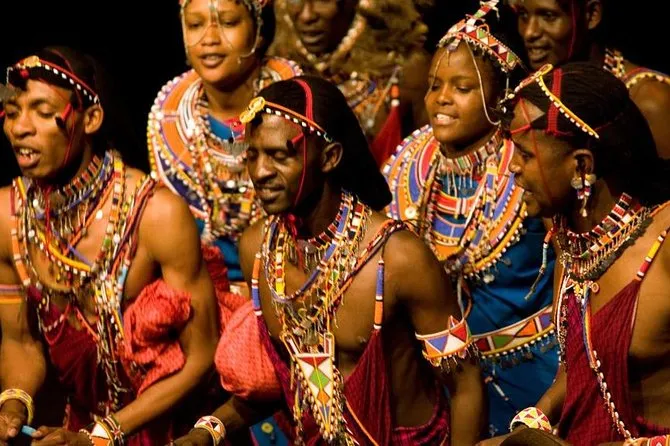
Feeding giraffes, petting elephants and learning about their rescue, seeing the bead process and cultural dances — everything was wonderful. The guide took us to see the hut exhibit and worked in some souvenir shopping. The company was well organised and had great timing for every stop.
Giraffe Centre, Elephant Orphanage and Kobe Beads Guided Tour
Kristi M · United States
The only city in the world where you can see this: African wildlife roaming free against a skyline of glass towers — Nairobi National Park safari.
Why Book a Nairobi Wildlife Tour Through Us?
Safari Without the Long Drive
Nairobi National Park is 7 kilometres from your hotel. Skip the 5-hour drive to the Masai Mara and still see lions, black rhinos, and giraffes on a morning game drive — back in time for lunch.
Three Conservation Experiences in One Day
Combine the Giraffe Centre, David Sheldrick Elephant Orphanage, and a Nairobi National Park game drive — three of Kenya's best wildlife attractions, all within a 10km radius of each other.
Licensed Local Expert Guides
Every tour is led by licensed Kenyan naturalist guides who know where predators den, which water source the hippos use, and the best angle for giraffe feeding photos on the platform.
Free Cancellation on All Tours
All listed tours offer free cancellation up to 24 hours before. Book ahead to secure your slot at the elephant orphanage's strictly enforced 11am–noon daily window.
Conservation-First Operators
We only partner with tour operators who follow KWS regulations, respect minimum approach distances from wildlife, and support the Giraffe Centre's Rothschild giraffe breeding programme.
Best Value Safari in East Africa
A Nairobi National Park safari starts from $37 per person — the same quality of wildlife encounter at the Masai Mara costs 10–20× more and requires multiple travel days to reach.
Nairobi Wildlife Conservation by the Numbers
50+ Rothschild giraffesReintroduced to natural habitats across Kenya by the Giraffe Centre's breeding programme
Fewer than 800 in the wildRothschild giraffes are one of the world's most endangered subspecies — the Giraffe Centre leads conservation efforts
300+ elephants rehabilitatedBaby elephants rescued and reintroduced to wild herds by the David Sheldrick Wildlife Trust since the 1970s
Established 1946Nairobi National Park — Africa's only national park inside a major capital city, Kenya's first
117 km² of protected savannahOpen on its southern boundary to the vast Athi-Kapiti plains ecosystem for free wildlife migration
5 years average reintegrationAverage time taken to reintroduce orphaned elephants back to wild herds — a slow, patient conservation process
Where to Stay Near Nairobi National Park
Three highly rated stays, one per style of trip; the full breakdown is in our where to stay guide.
Ole Sereni
8.4/10
Park edge, Mombasa Road · borders the park fence · 737 Expedia reviews
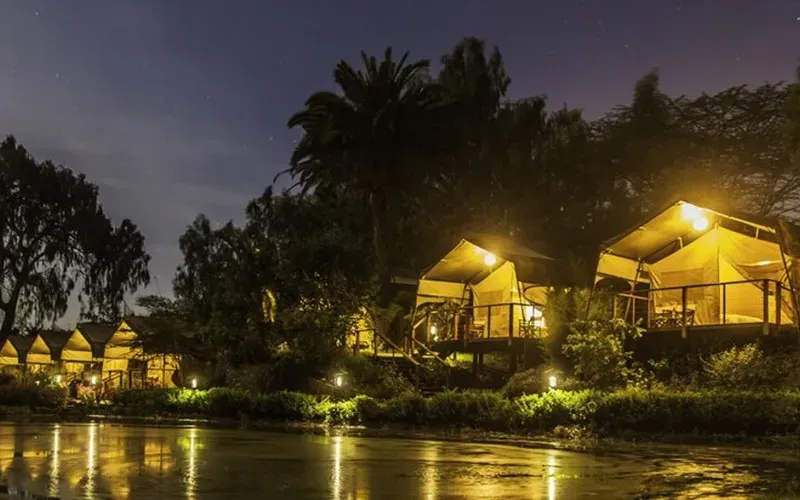
The only mainstream hotel whose grounds touch the park: the pool deck and Big Five bar face the plains
Pool, gym and 10 minutes from the airport without entering city traffic
Reviewers rate it 8.4/10, and the park-facing rooms are the ones people book it for
We haven't stayed at these hotels. Ratings, review counts and prices are what Expedia listed when we checked in August 2026. Tap through for current numbers, and treat them as guest opinion, not our verdict.
Travelling on different dates, or looking for a base outside these three areas? Search Expedia directly.
Frequently Asked Questions About Nairobi's Wildlife Parks and Zoo Attractions
What is the best wildlife park or zoo to visit in Nairobi, Kenya?
The top wildlife attractions in Nairobi are Nairobi National Park (morning game drives with lions, rhinos, and giraffes), the Giraffe Centre Nairobi (feed endangered Rothschild giraffes from a raised platform), and the David Sheldrick Wildlife Trust elephant orphanage (baby elephants, open 11am–noon daily). Most visitors combine at least two of these on a half-day or full-day guided tour. Entry fees are separate for each attraction. Traveling as a family? See Nairobi National Park with kids.
Does Nairobi have a zoo?
Nairobi does not have a traditional enclosed zoo, but it offers far better alternatives. Nairobi National Park is a full 117-square-kilometre wildlife reserve where lions, rhinos, giraffes, and zebras roam freely — our Nairobi National Park game drive guide covers what to expect and how to book. The Sheldrick elephant orphanage and the Giraffe Centre are world-class wildlife conservation centres in the Langata area, south of Nairobi's city centre. Together, these wildlife parks offer some of the most accessible big-game encounters in Africa.
How far is Nairobi National Park from the city centre?
The main gate of Nairobi National Park is approximately 7 kilometres south of Nairobi's central business district, near Langata Road. From most hotels in Westlands, Upper Hill, Kilimani, or Karen, the drive is 20–45 minutes depending on traffic. All tour operators listed here provide hotel pickup, so you do not need to arrange your own transport. Every way of getting there is compared in how to get to Nairobi National Park.
Do I need to book Nairobi National Park entry in advance?
Yes. Foreign visitors must purchase entry tickets through the KWS e-citizen platform before arriving at the park gate. Processing can take up to 24 hours, so book the day before at minimum. Some tour packages include the park entry fee — check the inclusions carefully before booking. If the fee is listed as extra, buy your e-citizen ticket independently and bring your booking confirmation. See our Nairobi National Park entry fees guide for current KWS prices, seasonal changes, and step-by-step booking instructions. Visiting independently? Here is how the park works without a tour.
What are the entry fees for the Sheldrick Elephant Orphanage?
To visit the David Sheldrick Wildlife Trust elephant orphanage, foreign visitors must pay a Kenya Wildlife Service conservation area fee of approximately $47–80 per person (this goes to KWS, not the trust). The elephant orphanage itself charges a separate entry fee. Because the orphanage sits inside the Nairobi National Park conservation area, you cannot visit without paying the park entry. Pre-book via e-citizen and arrive by 10:45am — the gate opens at 11am and closes at noon, without exception. Our full guide to the Sheldrick elephant orphanage walks through the booking process, what happens during the visit, and how to combine it with the Giraffe Centre in one day.
What animals can I see in Nairobi National Park?
Nairobi National Park is home to lions, leopards, cheetahs, black rhinoceros (one of the largest populations in a single park in Kenya), buffalos, hippos, giraffes, zebras, wildebeest, ostriches, and over 400 bird species. The contrast of wildlife — including an endangered black rhino — against the Nairobi skyline is what makes the park unique. Lions are spotted on most early-morning game drives during dry season (June–October). The full species-by-species guide, with how likely each sighting really is, lives in what animals are in Nairobi National Park.
What is the best time of year to visit Nairobi's wildlife parks?
June to October (dry season) and January to February offer the best wildlife viewing in Nairobi National Park. As vegetation thins, animals concentrate around water sources and are easier to spot. Predator sightings peak during the dry season. The long rains (March–May) make tracks muddier and vegetation thicker, though tours run year-round. The Giraffe Centre and the elephant orphanage are excellent attractions in all months, regardless of season. If you have only a few hours between flights, our Nairobi layover safari guide shows which parks and attractions are realistic within a short window. See our month-by-month guide to the best time to visit Nairobi National Park.
How much do Nairobi wildlife tours cost?
Tours range from $37 per person for a shared Nairobi National Park game drive to $95 per person for a full-day combination of the National Park, Giraffe Centre, and Elephant Orphanage. Most tours include hotel pickup, a licensed guide, and basic refreshments. Park entry fees and elephant orphanage conservation fees are sometimes listed as extra — always check the inclusions before booking. Free cancellation is available on all tours listed here up to 24 hours before departure. For the most affordable options, see our breakdown of budget safari options in Nairobi — including which parks and sites are cheapest to visit independently. Every entrance fee is listed in our Nairobi wildlife attraction prices table.
Where should I stay near Nairobi National Park?
Karen or Langata puts you 10 to 20 minutes from the Main Gate; the Mombasa Road side suits airport arrivals. Expedia guests rate Ole Sereni (borders the park), Tamarind Tree and Wildebeest Eco Camp highest — see the hotel cards or the full where to stay guide.
Is there any aquarium in Nairobi?
No. Nairobi has no dedicated public aquarium; the city’s animal attractions are land-based: lions and rhinos in Nairobi National Park, Rothschild giraffes at the Giraffe Centre, and orphaned elephants at the Sheldrick Trust. Kenya’s marine life lives on the coast, in the Mombasa and Watamu marine parks, an hour’s flight away. If big animals are the goal, the $37 park safari delivers more than any aquarium could.
Why is the Giraffe Centre worth adding to a park day?
The Giraffe Centre is a working conservation project, not a petting stop: it breeds the endangered Rothschild subspecies, down to a few hundred animals when the centre opened in 1979, and releases young giraffes back into Kenyan reserves. You feed them from a raised platform at eye level. The half-day combo at $95 pairs it with the elephant orphanage feeding hour.
Ready to experience Africa's most accessible wildlife encounter?
 from $37Cheapest — Morning Game Drive